Malachite's deep green bands naturally align with Christmas color traditions, while its geological formation patterns and physical properties provide objective connections to seasonal themes of renewal. Remember this: focus on malachite's scientifically verifiable color properties and cultural history when evaluating its holiday associations.
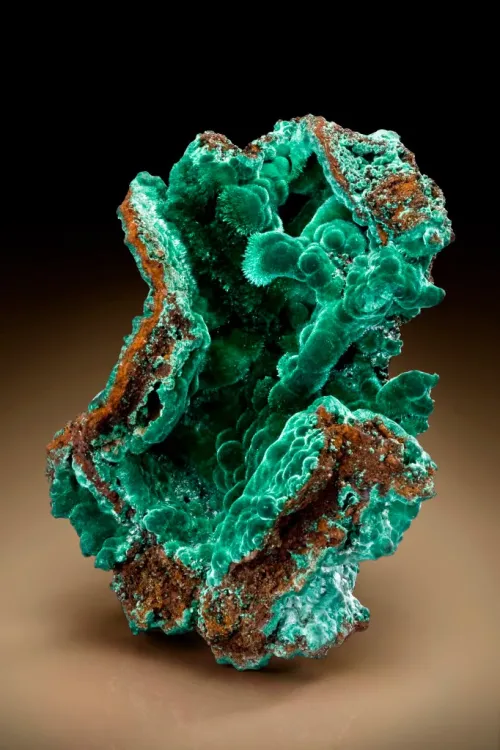
It happens every December. You're browsing holiday markets, spot a malachite ornament, and wonder: Is this green stone really Christmassy? Or just clever marketing? Between New Age claims of "healing energy" and jewelers calling it the "ultimate holiday gem," confusion blooms faster than poinsettias. Even museum gift shops display malachite figurines as seasonal décor without explanation. This isn't about spiritual interpretations or mystical properties - it's about unpacking observable characteristics like mineral composition and cultural adoption patterns. We'll examine seven key aspects, separating traditional symbolism from geological facts, so you can recognize authentic connections between malachite's physical traits and Christmas traditions without relying on unfounded assertions.
Picture this: A friend admires your new malachite tree-topper saying, "It just feels Christmasy!" That perceived "essence" usually stems from three overlapping ideas: cultural tradition (Russian holiday décor often featured malachite), color association (evergreen connection), and suggestive banding (patterns resembling wrapped gifts). Shops lean into these perceptions during December, sometimes implying deeper seasonal significance.
The clearer way to see it: Malachite's copper carbonate hydroxide composition creates its signature green tone, which naturally complements red-dominated holiday palettes. That color resonance forms a scientific bridge to Christmas aesthetics. No special "holiday energy" needed—just basic color theory plus geographical history where Russian and European traditions incorporated local minerals.
Next time you encounter "holiday malachite," test its authenticity by asking: 1) Does the seller explain specific cultural traditions? 2) Is the deep green color stable under string lights? 3) Is the stone presented alongside other historically used materials like beeswax candles? Concrete evidence beats abstract claims.
Imagine waiting at a craft fair while someone insists, "Malachite absorbs Christmas spirit!" Yet what actually matters starts deep underground. Malachite's formation begins when water percolates through copper deposits. This process creates banded patterns during mineral precipitation cycles over geological time—not seasonal magic. Vendors sometimes skip this science when pushing "festive gems."
Technically speaking, malachite forms through secondary processes in copper deposits under specific chemical conditions. Its fundamental chemical composition—copper carbonate hydroxide—determines that signature green color stable under indirect lighting. But be aware: thermal sensitivity may lead to discoloration if placed near hot light sources common in holiday displays.
When choosing malachite décor, examine placement: Avoid spots near candles or fireplaces where heat exposure might occur. Seek items where weight distribution ensures proper stability—especially for carved trees or stars. These practical considerations stem directly from that 3.5-4.0 Mohs hardness rating.
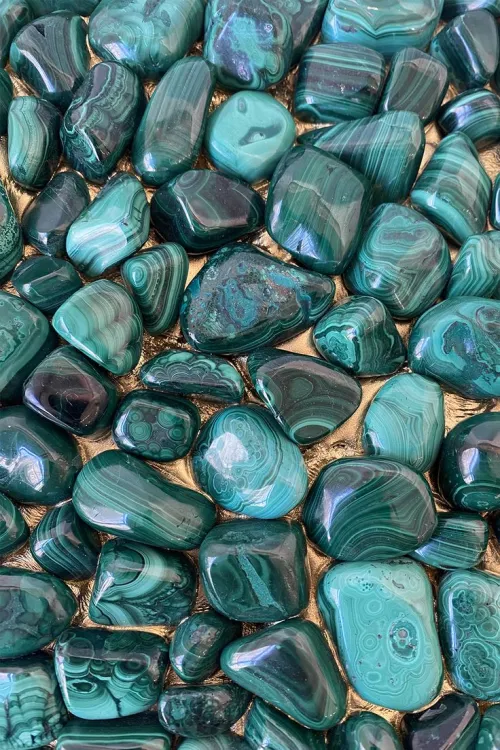
A department store display proclaims: "Malachite's rings symbolize holiday unity!" Slow down—those patterns originate from mineral deposition cycles, not symbolic intent. But visually, concentric bands can resemble tree rings, ribbons, or layered wrapping paper. Our brains naturally link them to seasonal motifs. This association grows stronger when designers incorporate malachite into bauble shapes.
In reality, distinct banding structures result from mineral precipitation cycles over geological timescales. Russian malachite tends to show tighter bands than African varieties—a fact observable in museum collections. When polished, surfaces achieve vitreous to silky luster depending on finishing techniques, which affects how intensely colors appear under Christmas lights.
Evaluate banding claims by asking: 1) Are colors uniformly distributed? (Natural gradients should transition smoothly) 2) Does it fluoresce unnaturally under UV light? (Synthetic versions often do) 3) Do patterns align horizontally like wrapping paper? (Authentic banding curves organically)
Picture this discussion: "Malachite means rebirth!" someone declares at a holiday party. While some traditions associate it with renewal (overlapping with Christmas themes of new beginnings), historical uses were pragmatic. Russian miners incorporated malachite into palaces and churches as architectural details—including winter chapels—simply because it was locally abundant. Its presence there later became seasonal tradition.
The reality involves transportable cultural adoption rather than innate symbolism. Different societies integrated malachite based on regional access and artistic trends. Historical symbolism associates it with protective qualities in architecture, but connections to modern Christmas trees often arise from material availability during 19th-century decorating booms.
Consider source context next time: Ask, 1) When did this association emerge? (Victoria-era vs. ancient traditions) 2) How does this piece reflect cultural exchange? (Like Italian carvers using Russian stone) 3) Is it displayed with era-appropriate decorations?
A decorator might exclaim: "That green perfectly matches my tree!" They're partially right. Malachite's color intensity naturally complements evergreen schemes because copper compounds absorb specific light wavelengths. But note: color intensity remains stable in shadowed arrangements. Displayed on sunlit windowsills, fading may occur over several seasons—one reason it traditionally adorned interiors.
Objectively, malachite provides natural gradients from light to deep green in single specimens—like a pine tree shifting from tip to trunk. This makes it visually adaptable to varied design applications: as pendants appearing against red sweaters or ornamental bookends beside poinsettias. This contrast effect, amplified by vitreous polish, strengthens holiday associations.
When coordinating with Christmas décor, try this: Place malachite near contrasting colors and observe effects. Note how artificial lighting impacts its tones by testing under warm/yellow vs. cool/white lights common in holiday displays. Compare saturation against holly or pine—see if it blends or contrasts.
"This is special Christmas malachite!" claims a pop-up vendor. Yet variations depend on geography, not seasons. Consider seasonal care carefully: that pricey centerpiece shouldn't sit beside a steaming hot cider station. Malachite's structure varies by origin, affecting susceptibility. Russian malachite generally shows tighter bands, while African specimens exhibit larger swirls.
Reality check: Malachite requires gentle cleaning without ultrasonic systems. Surface treatments may need periodic reapplication to maintain luster when displayed annually. If you plan decorations, avoid temperature extremes and prolonged moisture exposure from snow globes or humidifiers.
Practical verification: 1) Research geological origins to predict banding density 2) Before using water-based cleaning methods, test on hidden spots 3) Inspect mountings yearly—protective bezel settings typically secure jewelry worn during festivities. These maintenance rituals mirror the season itself.
As you unwrap malachite earrings labeled "holiday-ready," modern associations become accessible and understandable. Contemporary artists leverage its visual properties—banding patterns that resemble gift ribbons or tree bark—rather than mystical qualities. Think of a ceramicist pairing handmade ornaments with malachite buttons: physical characteristics inspire connections.
Currently, applications range from jewelry with protective bezels to decorative bowls displayed seasonally. Modern designers may incorporate malachite fragments into resin tree pendants, trusting nature's patterns to evoke festive sentiments without spiritual implications.
Notice creators' approaches: Do they highlight technical aspects like carving stability? Mention display limitations? Show appreciation for malachite's authentic properties? Such transparent framing helps determine whether usage meaningfully connects to Christmas traditions.
Next December, when festive decor appears everywhere, you'll see more than just green rocks sold cheaply. Notice how museums position malachite dioramas with other historical wintry displays. See if local artisans explain the Mohs scale rating when selling tree ornaments. Observe banding patterns in those earrings your friend insists "feels like Christmas" - do they curve like natural ribbons? Carry these filters with you: First, separate what’s measurable (color stability, hardness, banding origin) from cultural traditions. Second, ask for specifics when someone claims "holiday symbolism." Third, appreciate how centuries of human ingenuity transformed a mineral into celebration - less about mystique, more about craftsmanship and color science.
Q: Does malachite turn greener near Christmas trees?
A: Malachite color remains chemically stable regardless of season. Its appearance may seem intensified under warm lighting used on trees or against red decorations through contrast effect.
Q: Are larger malachite pieces better for centerpieces?
A: Size relates to practicality rather than symbolic value. Remember that weight distribution requires balanced bases, and stability concerns become more pronounced in elaborate displays.
Q: Do any cultures specifically prohibit malachite during holidays?
A: No documented traditions forbid its use, though some cultures historically reserved it for non-seasonal applications like architectural details rather than temporary decorations.


$
