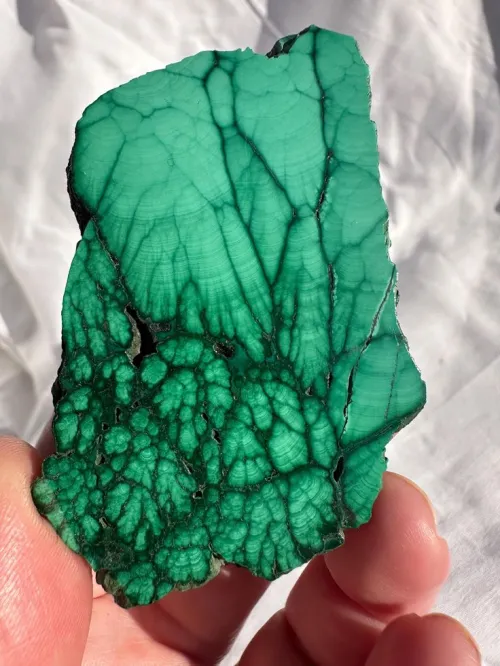
Imagine this: You're admiring your favorite malachite necklace in a beachside cafe when your friend suggests purifying it in sea salt water. Or maybe you're unpacking a newly arrived malachite bowl and wonder if salt cleansing enhances its properties. These are the exact moments when well-meaning advice collides with mineral reality. Across crystal shops, online forums, and craft workshops, you'll find confusing claims about salt's compatibility with minerals. Some say it's universally cleansing; others whisper about discolored stones. No more guessing games. We'll untangle the science using verifiable mineral properties, so you'll confidently know what salt does to copper-bearing stones like malachite – not through vague folklore, but observable chemical realities.
Picture yourself browsing a gem market where different cleansing methods are demonstrated – salt mounds for selenite, quartz clusters in salt water. "All-natural purification," says a vendor as sprinkles salt over minerals. This perception sticks because salt symbolizes purity across cultures, and its visual simplicity hides complex chemistry. When transferred to malachite care, three misconceptions converge: that salt is always inert, that brief contact causes no harm, and that rinse water completely removes saline residue.
The clearer way to see it is: salt (sodium chloride) doesn't passively interact with copper minerals. Chloride ions can initiate corrosive chain reactions by bonding with malachite’s core components. Technically speaking, malachite’s copper content tends to react with chloride ions, forming copper chloride compounds that may progressively alter its internal structure. Moisture and humidity tend to accelerate these reactions, creating a destructive feedback loop where even small salt exposures can cascade into significant damage over time.
Next time you handle malachite, pause at these three checkpoints: First, ask whether alternative cleansing methods exist that pose less risk. Second, when cleaning jewelry or decorative items, avoid any cloth or solution containing salt particles – even fine grain varieties act as micro-abrasives. Lastly, after any environmental exposure (ocean air, salted roads), inspect your malachite for crystal residue using a magnifying glass before storing it.
A jewelry designer at a craft fair shows you raw malachite and polished cabochons. "It's just green stone, right?" she says while wiping a piece with salted water. This happens because malachite’s striking banded patterns distract from its hidden chemistry. Unlike silicate minerals (quartz, agate) with strong silicon-oxygen bonds, malachite belongs to a more reactive category. People see earthy greens and assume geologic durability, often overlooking that carbonate minerals interact distinctively with salt solutions.
In reality, malachite consists primarily of basic copper carbonate with the chemical formula Cu₂CO₃(OH)₂. This composition may undergo alteration when chloride ions from salt infiltrate its crystalline structure. The presence of carbonate groups tends to increase solubility when exposed to saline solutions, which combined with its moderate Mohs hardness may lead to accelerated material loss. Thermal expansion differences between salt deposits and malachite surfaces can create microfractures that allow deeper ionic penetration.
Keep these observable features top of mind: Before acquiring any mineral specimen, identify whether it contains carbonate-based materials like malachite. Check for signs of effervescence when placing a small tested droplet of weak acid on a sample’s edge – a common indicator of carbonate content. When handling such pieces, avoid placing them in containers shared with salt-based substances, no matter how convenient storage seems.
Your friend once soaked her malachite ring in salted water overnight to "draw out negativity." Next morning, the vibrant greens appeared milky and dull. This misunderstanding stems from assuming all minerals share identical resistance profiles. Malachite’s relatively soft physical attributes make it uniquely susceptible to more damage vectors than harder stones like jasper. People focus on visual beauty while overlooking inherent structural limitations.
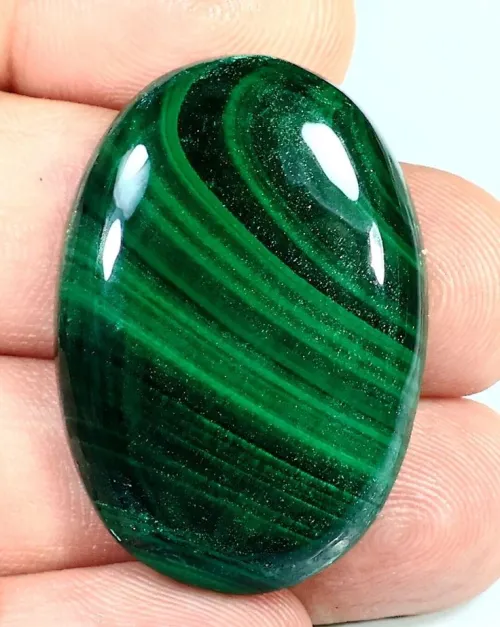
Technically, malachite's moderate Mohs hardness of 3.5 to 4 indicates high scratch susceptibility. This softness creates ideal conditions for salt crystals to function as abrasives during cleaning or incidental contact. Simultaneously, malachite tends to exhibit relatively high solubility in acidic environments with salt further lowering its chemical stability threshold. The combination produces multiple damage pathways: physical abrasion scratches surfaces, while salt particles trapped in its natural porosity create localized chemical reactions that may generate chalky patina or cause irreversible color fading.
Practical examination: Regularly view malachite pieces under directional light. Look for new surface micro-scratches (indicates abrasive damage) or subtle color shifts toward pale turquoise (suggests copper chloride formation). Avoid placing malachite near salt lamps, Himalayan salt bowls, or other decorative salt items since humidity can create invisible salt bridges between surfaces. Instead, use velvet-lined storage trays with silica gel packs.
Combine physical and chemical assessment to form a complete view. When choosing malachite jewelry, examine banded patterns for consistency. If certain bands appear powdery, this may indicate previous salt exposure. For decorative pieces, gently wipe with a barely damp microfiber cloth – if water causes bubbling reaction, suspect salt residue. These simple checks help distinguish minor wear from salt-triggered deterioration.
Picture this: Vacation photos of malachite earrings worn against suntan lotion at the beach – seemingly harmless salt mist exposure. Casual scenarios like these accumulate damage because people underestimate how ordinary environments transform salt risks. Kitchens, coastal homes, and even sweat create salt-mineral interactions. Humidity becomes salt’s destructive ally by creating electrolyte solutions that supercharge reactions.
Scientifically, moisture tends to amplify corrosive reactions between salts and carbonate minerals. In marine environments or humid regions, continuous salt exposure often demonstrates accelerated deterioration through osmotic pressure gradients developing inside micro-pores. This process may eventually manifest as irreversible efflorescence, where dissolved minerals recrystallize as crusty white deposits. Temperature fluctuations can worsen the situation by creating differential expansion between malachite surfaces and any salt crystals lodged within its structure.
Before displaying malachite near windows, kitchens, or bathrooms, ask: What’s the average indoor humidity? Can seasonal shifts affect salt accumulation? Invest in a simple hygrometer – aim for consistent 40-50% humidity. If you live in coastal areas, consider display cases with protective seals instead of open-air presentation. When traveling, store malachite in silica-padded pouches, preventing condensation-triggered salt activation.
Remember unpacking that malachite box and almost placing it on a salt coaster? Everyday decisions create risk moments we rarely register. Usage misunderstanding often starts where aesthetics meet utility: salt lamps creating mood lighting near mineral displays, people cleaning malachite bowls with baking soda pastes, or sweaty hands slipping a ring off without wiping. Casual choices compound because people don’t link subtle changes to specific actions.
Clear observation shows salt residue accumulates in malachite’s porous surfaces and crevices over time. Abrasive cleaning techniques involving salt compounds can accelerate visible wear patterns through combined physical and chemical action. Additionally, salt creates osmotic pressure gradients that may disrupt malachite’s crystalline integrity from within. This explains why seemingly isolated incidents – spilling salted soup near a malachite statue – can create disproportionate harm compared to what observers might predict.
Build safer habits: Keep malachite away from salt-associated zones like dining tables, cosmetic stations, and entryway decor where winter salt spray settles. For cleaning, use distilled water dabbed with cotton swabs instead of abrasive pastes. Consider protective coatings that isolate minerals from atmospheric elements, especially for art pieces receiving regular handling.
At a mineral show, collectors whisper about lost luster even without direct salt use. This raises crucial companion questions about preventive care since malachite preservation extends beyond salt exclusion. The challenge? Preservation advice gets oversimplified as "don’t ever touch" rather than context-aware protection. People overlook environmental partners to salt: moisture, dust composition, and improper storage solutions.
Material integrity assessment includes examining for salt-induced efflorescence or crust formation. Preservation generally recommends protective coatings that isolate reactive surfaces from environmental elements and storing specimens where atmospheric saline content remains minimal. Comparative stability studies show copper carbonate minerals generally demonstrate increased vulnerability relative to silicate minerals like quartz. Preventative approaches should prioritize humidity control while recognizing malachite’s porous nature makes it especially vulnerable to cumulative environmental exposure.
When setting preservation routines, note three dimensions: physical barriers (specialized mineral varnishes), environmental controls (dehumidifiers), and handling discipline (cotton gloves). Inspect pieces quarterly: Place malachite under UV light and look for dulled fluorescence that may indicate salt infiltration before visible changes appear.
The next time you unbox malachite or plan ocean-tide jewelry outings, pause and recall: What does this specific moment reveal about salt exposure? Notice physical surroundings for saline hazards – from kitchen counter salt shakers to coastal humidity. Ask yourself: Could microscopic salts migrate onto surfaces through dust or handling? Observe your malachite piece's texture under magnification with fresh eyes; note any subtle chalkiness along banding planes that might indicate salt reaction histories. When uncertain, apply the distilled water test: droplets shouldn't cause bubbling or clouding. By incorporating these simple sensory checks into ordinary interactions with minerals, you transform momentary hesitation into durable knowledge.


$
