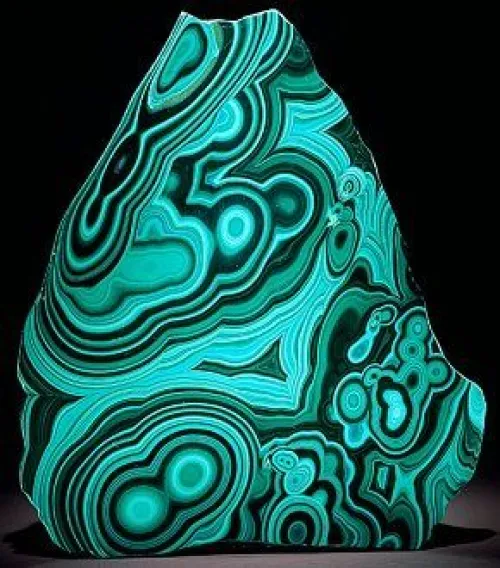
Imagine browsing a craft market, drawn to a striking green malachite palmstone. The seller leans in: "Charge it in sunlight weekly!" Months later, you notice faded bands on your once-vibrant piece. Sound familiar? Such contradictions flood discussions about malachite care – from metaphysical blogs claiming sun-cleansing benefits, to jewelers warning against window displays. This confusion often stems from misplaced assumptions that all crystals share identical care needs. We’ll unpack what makes malachite fundamentally different by examining its mineral realities, separating observable evidence from popular claims, and providing clear verification methods for your specimens.
Picture yourself unpacking a malachite figurine ordered online. Instructions suggest placing it on sunlit windowsills for "energy renewal." This sun-cleansing concept is pervasive, often repeated without context. Its popularity stems from simplistic analogies – sunlight feels purifying and energizing for humans, so why not stones? – and group practices where multiple crystals get cleansed together for convenience.
Technically speaking, malachite responds differently than many minerals due to its copper carbonate composition. Think of it less like quartz and more like organic pigments in artwork. In reality, prolonged ultraviolet exposure tends to accelerate degradation at molecular levels, while even moderate heat can initiate structural stress. The "cleansing duration" factor becomes critical because damage often accumulates subtly through repeated exposure, not just extended single sessions.
When reviewing care suggestions, check the mineral’s inherent sensitivities first. For malachite, prioritize two key tests: Can the method avoid ultraviolet rays completely? Does it introduce temperature fluctuations? Before trying any new cleaning approach, temporarily place the stone near (not in) a sunny area for 48 hours to observe potential color shifts at its edges.
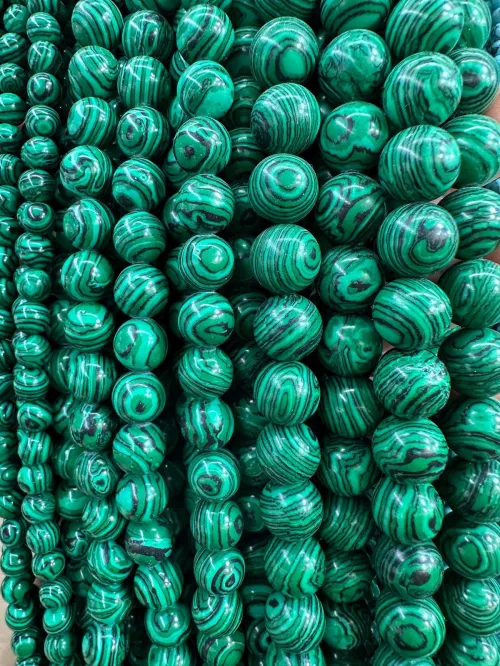
A friend once compared her malachite and quartz crystals care routines, assuming identical handling before discovering banding irregularities. Malachite’s perceived sturdiness masks its true nature. Surface hardness gets frequently misunderstood since its weight and polish mimic durability, yet everyday jewelry clasps can accidentally scratch malachite if tested.
Scientifically, malachite consists of basic copper carbonate. This means that copper ions form its iconic vivid hues through light interaction. The Mohs hardness rating of 3.5-4 places it between fluorite and calcite – think of common objects: copper coins easily scratch malachite, while steel knives definitely mar its surface. Physical fragility necessitates gentler handling than many assume.
Assessing your malachite? Consider these three steps: 1) Examine edges under magnification for micro-abrasions indicating prior damage 2) Test weight/feel – pure malachite is surprisingly denser than resin replicas 3) Document banding patterns through photos to track future changes. Prioritize structural preservation over surface shine during maintenance.
Interpreting care advice becomes easier when knowing malachite’s limitations. That "tumble-friendly" label? Apply cautiously; raw specimens show higher susceptibility than polished forms due to porous surfaces. When shopping, avoid pieces displayed long-term under direct spotlights – instead find sellers storing malachite in velvet draws or UV-filtered cases.
Recall opening jewelery drawers to discover your malachite beads faded after accidental sunlight exposure – the morning sun through window streaks left permanent evidence. Such incidents confirm malachite’s photosensitivity. Yet discussions about "gentle energy methods" sometimes downplay thermal realities.
A misconception exists that heat damage requires extremely high temperatures. In reality, copper carbonate exhibits thermal instability tendencies around 40°C/104°F – slightly above warm room levels. Extended ultraviolet light exposure accelerates mineral decomposition through photo-oxidation mechanisms, not just surface drying. Surface cracking may develop from rapid temperature fluctuations – like moving between sunny outdoor table to air-conditioned rooms.
Conduct your own light reaction test: Place malachite in indirect daytime light for two weeks alongside underexposed samples. Compare saturation weekly. Note banding sharpness changes before fading becomes obvious. Additionally, never position pieces near windows where daily temperature dips affect structural integrity over months.
Imagine passing a malachite paperweight daily on colleagues’ desks; its lustrous bands subtly dimmed without anyone’s notice. Visual changes aren’t always dramatic events. Initial sun damage manifests as reduced contrast in banding patterns rather than outright color loss – the lightest forest green sections typically fade first.
Malachite’s banded patterns form through crystallographic variations. These complex layered structures react heterogeneously to stressors: UV exposure tends to erode color intensity uniformly, while heat causes irregular dull patches. Lustrous qualities may diminish with cumulative environmental stress, appearing first as reduced reflectivity in band transitions rather than overall cloudiness.
Monitor piece conditions monthly: Document banding patterns under identical lighting using smartphone photos. Check high-resolution close-ups for three deterioration signs: banding blurriness at margins, localized matte areas disrupting shine, and color intensity variation compared to prior images. Track changes systematically rather than relying on memory.
Consider this museum scene: You overhear a guide explaining Victorian malachite inkwells needing shade, contradicting nearby crystal shop advice. Historically, malachite use predates modern metaphysical trends – Egyptians powdered it pigmentally, where preservation meant avoiding light degradation. Much contemporary "cleansing" advice inadvertently borrows techniques for quartz family stones without mineralogical adjustments.
Traditional malachite care prioritized physical integrity over energetic concepts. Proven conservation focuses on consistent temperature/humidity maintenance rather than ritual purification. Alternative cleansing techniques gaining modern traction – like moonlight bathing or smudging – evolved specifically to circumvent light/heat dangers, not enhance inherent properties.
Evaluate conflicting suggestions using timeline logic: If proponents recommend methods mirroring pre-industrial conservation (shaded storage, controlled dusting), they generally align with physical preservation. Practices originating post-1980s New Age trends warrant correlation with technical observations. When encountering new claims, consider whether they acknowledge malachite’s proven UV vulnerabilities.
Picture returning from travel to sun-bleached malachite ornaments; now we’ll prevent recurrence. Routine care beats restorative attempts; dual-purpose maintenance combines structural preservation with surface cleaning. Start by assessing micro-environment risks: Window proximity, spotlights, and even seasonal angle changes matter.
Recommended storage coordinates all technical priorities: stable humidity around 40-50%, consistent temperatures (avoiding 35°C+), absolute darkness using tarnish-resistant cloth pouches. For cleaning, use only microfiber cloths – moisture introduces corrosion risks for copper components. Gentle pressure removes embedded dust; polishing processes restore microscopic surface damage, but avoid liquid polishes which can trigger copper reactions.
Implement this preservation system: 1) Map sunlight patterns in display areas monthly as seasons shift 2) Schedule quarterly condition checks under magnification 3) Apply surface dusting weekly with designated dry clothes. Remember: Preventing exposure requires no special tools, unlike restoration attempts.
During gatherings, you’re asked: "Can’t I briefly cleanse in dawn sunlight?" This question captures common misunderstandings about exposure duration. Damage occurs cumulatively – brief sun exposures contribute to total photonic stress rather than operating under safe time thresholds.
Raw versus polished forms represent a key variance: Tumbles and raw crystals typically lack buffering layers and show higher UV sensitivity than polished jewelry with sealants. However, no malachite form exhibits durable resistance; polished pieces develop microscopic fissures facilitating deeper damage later.
When encountering nuanced claims: 1) Verify against fundamental mineral properties 2) Check for documented observations rather than theoretical assertions 3) Prioritize solutions focusing on avoiding harm over maximizing ritual outcomes. Apply the "banding preservation test" monthly: Clear green separations mean successful care, not perceived energetic refreshment.
Ultimately, maintaining malachite’s beauty relies on shifting perspective: Preservation outranks cleansing. The striking bands that first captured your interest? Those layers hold the story of copper-rich geological formation – a tale written over millennia yet vulnerable to modern sunlight. When reassessing malachite care: Distinguish between cultural traditions developed specifically for copper compounds versus generic crystal practices; focus documentation on band sharpness and luster quality rather than ambiguous "vitality." Before adopting any advice: Evaluate the source’s scientific grounding, cross-reference multiple pieces, track your specimen’s responses empirically. Your evidence trumps prevailing opinions.
Q: What safe cleaning technique instantly revives malachite?
A: Gentle surface dusting with dry microfiber tends to immediately improve appearance without risk. Avoid moist wipes/perfumed sprays, as they may provoke reactions over time. Luster maintenance requires preventive strategies, not restoration solutions after damage.
Q: How often do malachite pieces need environmental checks?
A: Bi-monthly inspections under consistent lighting can detect subtle fading before it becomes pronounced. Focus monitoring efforts on edges and traditionally brightest bands, where changes start first.
Q: Are dark basement conditions better than display cabinets?
A: Consistent darkness maintains hues effectively, but requires moisture control (add silica packets). Moderately lit environments with UV-filtered display cases are excellent alternatives if humidity levels remain stable around 45%.


$
