Authentic malachite reveals itself through unique banding patterns, mineral density that feels heavy in-hand, and natural temperature responsiveness. If you remember only one identifier, focus on its irregular concentric rings that never perfectly repeat - nature avoids cookie-cutter precision.
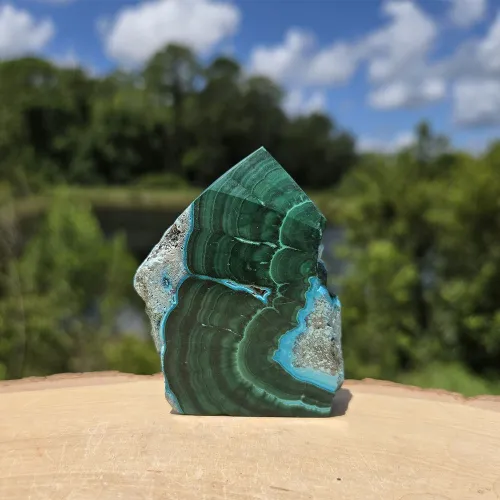
Picture this situation all too many collectors face: a stunning green bracelet catches your eye online or at a local craft fair, promoted as natural stone. Later, a friend notices odd uniformity in its swirls, or maybe its surface scratches suspiciously easily. Suddenly you're in a murky debate involving terms like reconstructed plastic or dyed howlite. Confusion settles as folks make contradictory claims about weight, temperature, or patterns. The uncertainty often stems from how common misconceptions blend with technical truths. This article cuts through the noise by translating gemology into daily scenarios - from handling heirlooms to inspecting new purchases. We'll untangle each aspect step-by-step, replacing vague assurances with verifiable markers you can apply immediately.
Vendors often describe malachite patterns as "nature's fingerprint," emphasizing intricate swirls. This phrasing sticks because those organic asymmetries visually distinguish it from common geometric gem patterns. But this poetic comparison misses a critical nuance: authentic patterns resemble sliced tree rings rather than painted designs.
In reality, natural formations develop irregular bands through mineral-rich water deposition over centuries. Authentic specimens exhibit concentric layers with color variations between light and dark green zones, appearing like flowing landscapes rather than stamped replicas. Technically speaking, magnification reveals tiny crystalline structures in each layer that synthetic resins simply cannot mimic.
Next time you're evaluating a piece, hold it under natural light. Tilt it slowly and observe whether patterns curve organically like topographic maps with depth variations. If bands look cloned across the surface or contain identical 'waves', view this as a manufacturing signature. Authentic pieces will never photocopy their own patterns.
"Genuine malachite carries satisfying weight," enthusiasts say when handing you raw stones. This tactile experience stems from its copper carbonate foundation, but many mistake density for mere thickness - creating expensive misunderstandings when resin counterfeits bulk up size without weight.
The clearer way to see it: Specific gravity ranges from 3.6 to 4.0, meaning malachite can feel substantially heavier than similarly sized quartz or plastic items. Copper carbonate composition also creates natural crystalline formations under magnification and often appears alongside blue-green azurite zones. Authentic material may register between 3.5 and 4 on the Mohs hardness scale - softer than glass but resistant to fingernail scratching.
During market visits, pair visual inspection with simple heft tests. Compare similar-sized pieces; authentic stones generally feel like solid marbles versus hollow plastic equivalents. If permitted, gently tap potential purchases against untreated wood - genuine mineral produces crisper sound than polymer's muted thud.
"That glassy shine means premium quality," many jewelry ads proclaim, creating a misconception about luster equating authenticity. This myth persists because resin fakes take high polish easily while raw malachite may appear deceptively rough before cutting.
In reality, authentic polishes exhibit a silky to vitreous luster depending on the finish quality, not absolute reflectiveness. Unpolished surfaces often display earthy textures absent in synthetic versions. Technically, authentic surfaces display conchoidal fractures when broken, revealing shell-like patterns unseen in manufactured versions. Be skeptical of any piece glowing unnaturally bright under standard lighting.
When browsing, bring a small linen cloth. Dull a suspiciously shiny area with gentle rubbing, then observe how light interacts upon re-polishing. Genuine stone reflects consistently, while plastic often reveals swirl marks from rapid factory buffing under natural light angles.
Imagine this marketplace scene: vendors encourage testing stones against your cheek, claiming "real malachite stays cooler." While based on thermal properties, this advice confuses many buyers since metals also conduct coldness efficiently.
The clearer way to see it: Malachite's thermal conductivity results in rapid temperature equalization during skin contact. Natural specimens may initially feel colder than plastic imitations at room temperature, then gradually warm in your palm. Authentic pieces tend to maintain this balanced coolness longer without becoming "skin-temperature" as synthetic options often do.
During purchases, press the item between your palms for fifteen seconds. Upon release, genuine stone typically feels cooler faster than synthetic alternatives due to efficient heat dissipation. For small beads, place them briefly against your closed eyelid - nature's thermometer detects fleeting temperature differences synthetic materials struggle to replicate.
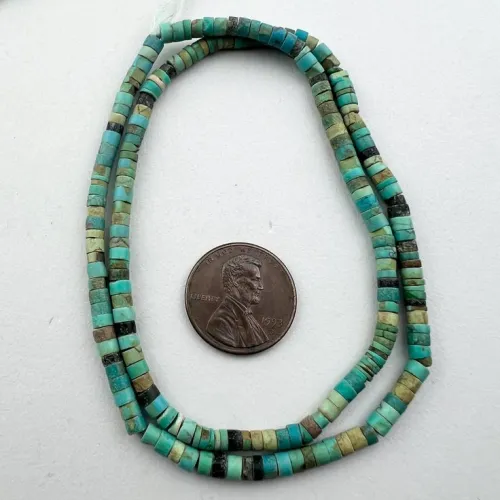
"African malachite means guaranteed authenticity," a vendor might declare while showing vivid green cabochons. Geography associations become problematic shorthand since imitation production occurs everywhere while Russia and Australia have significant genuine deposits too.
In reality, mining locations influence color saturation and banding scale rather than authenticity itself. Natural formations depend on copper-rich environments near limestone, creating unique geochemical signatures. Authentic stones may contain subtle mineral partners like azurite or chrysocolla, appearing as micro-inclusions under 10x magnification. Reputable sourcing acknowledges possible treatments like stabilization.
When considering provenance, ask layered questions: Can the seller describe the mining region's geological character? Does pricing seem aligned with rarity factors? Request images of raw material before cutting - genuine miners often document extraction stages whereas synthetic producers hide manufacturing.
"Higher prices guarantee real stone," dealers might insist when justifying premium tags. While authentic pieces generally command greater value, clever counterfeiters exploit this by overpricing resin versions - creating perception traps.
The clearer way to see it: Genuine specimens command varying prices based on pattern complexity, size limitations inherent to natural formations, and copper market fluctuations. Pricing structures often reflect rarity based on pattern complexity and origin authenticity. Carved objects like eggs or spheres tend to show manufacturing signs more easily than cabochons, as artisans preserve natural patterns strategically in quality works.
Evaluate pricing contexts holistically. Compare similar-sized pieces across platforms - authentic items cluster within logical market ranges while outliers signal caution. Notice longevity evidence; long-term wear reveals scratches more easily on plastic alternatives than natural material when examining vintage pieces.
"It's just reconstructed natural powder," sellers may claim regarding convincing composites. This explanation disarms legitimate criticism since 'reconstructed' technically contains malachite components, obscuring crucial differences.
In reality, major counterfeit categories exist: dyed materials like howlite mimicking surface color but lacking depth, resin mixtures containing some powder but missing crystalline structures, and glass versions typically revealing microscopic air bubbles. Reconstructed varieties often display uniform pigment distribution under simple magnification. Natural formations typically resist fading from moderate sun exposure, while dyed imitations may gradually lose vibrancy.
Arm yourself with a compact 10x jeweler's loupe (available affordably online). Focus on suspiciously perfect swirls - manufactured items will show repetitive elements or printed textures. Check edges against strong light; dyed materials often reveal faded subsurface layers resembling chalk under intense illumination.
Now imagine stepping into your next relevant situation - browsing an artisan market, considering an online jewelry order, or assessing an inherited piece without certification. Keep these core identifiers accessible: look for nature's imperfect banding poetry rather than factory replication, notice that grounded density weight, and trust the initial cool kiss of genuine thermal conductivity. When descriptions sound overwhelmingly perfect or emotionally charged in marketing language, counterbalance claims with physical evidence. A pocket loupe and five seconds of temperature contact can strengthen your position more strongly than assumed expertise.
Q: Can UV light always identify fake malachite?
A: While artificial dyes occasionally fluoresce, this method isn't universally definitive. Authentic pieces show no fluorescence under standard UV conditions, but some untreated fakes also pass this test. Use UV as supplementary evidence alongside other markers.
Q: Does real malachite tarnish or require special care?
A: Natural specimens can develop patinas over decades, not months. Avoid prolonged acidic exposure (including perfumes) which may dull surfaces. Long-lasting vibrancy under normal wear tends to indicate authenticity since resins discolor faster.
Q: Do striped malachite bracelets almost always indicate authenticity?
A: Unfortunately no - sophisticated manufacturing now creates convincing striped patterns. Focus instead on whether lines interact organically with surrounding material at drill holes and edges. Genuine stone maintains continuous, unbroken banding through bead centers.


$
