Authentic malachite holiday ornaments typically feature distinct banding patterns, moderate heft, and cool-to-touch surfaces – focus on mineral composition documentation and ethical sourcing transparency when purchasing to avoid mass-produced imitations.
You're browsing holiday decorations online when vibrant green malachite ornaments catch your eye. But multiple listings claim "genuine," "premium," or "natural" labels while showing suspiciously perfect patterns. Your friend once excitedly unpacked glass baubles marketed as malachite that faded within a season. Such confusion happens when marketing terms like "authentic" get stretched. This piece clarifies seven key aspects – from copper carbonate formations to ethical mining footprints – helping you spot true malachite through verifiable traits rather than vague promises.
Picture this: A marketplace vendor insists those perfectly uniform green spheres are "pure malachite." This claim overlooks nature’s quirks – genuine malachite forms organically through copper-rich mineral reactions, creating unique irregularities. Sellers might exploit the stone’s popularity using lookalike resin or dyed howlite.
In reality, authentic ornaments originate from copper carbonate hydroxide deposits that develop banding variations. Technically speaking, these banded layers may vary in thickness and color intensity because groundwater composition shifts during formation. One gemological clue lies in thermal conductivity: authentic pieces tend to feel cooler than synthetics when held.
While examining pieces, compare multiple ornaments under natural light. Genuine items often display subtle pattern shifts when rotated. Ask retailers whether documentation confirms mineral composition rather than vague "handmade" labels. Remember: replication uniformity usually signals artificial production.
A friend once admired your malachite tree topper, asking why it felt denser than other decorations. Fundamental properties like weight and texture provide silent authentication. Misinterpretations occur when shoppers prioritize visual appeal over physical science.
The clearer way to see it is: Malachite has approximately 3.6-4.0 grams per cubic centimeter density. This weight translates to hand-feel when comparing similarly sized pieces. Additionally, its carbonate base creates low hardness (3.5-4 Mohs), meaning authentic ornaments can develop fine surface scratches.
Test at gatherings: Pass around potential purchases alongside other ornaments. True malachite often feels noticeably cooler and heavier. For online orders, request density specifications – vague descriptions like "decent weight" may indicate uncertainty about authenticity.
Imagine unboxing an ornament displaying electric-green swirls without depth variations – a red flag. Counterfeiters often over-polish surfaces or use synthetic pigments to achieve hyper-vibrant colors missing natural gradients.
Authentic malachite typically exhibits vitreous to silky luster, not plastic-like gleam. Technically, layered structures create depth resembling concentric ripples. Patterns appear irregular with softer boundaries between bands – inconsistent coloring may indicate artificial dyeing.
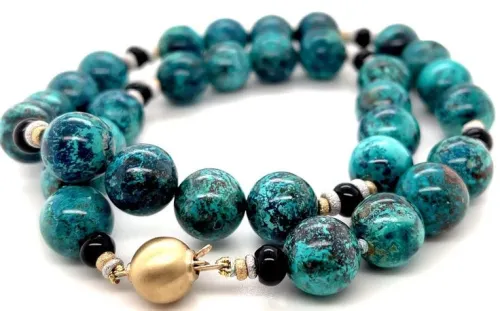
When browsing, angle pieces under different lights. Natural patterns develop dimension like topographic maps, while fakes appear flat. Ask sellers about photograph conditions; overly processed images can mask important details. If possible, examine items beside actual plant foliage – authentic malachite displays natural greens that complement rather than overpower environmental hues.
"This malachite comes from somewhere sustainable" – claims like this often lack verification while consumers prioritize aesthetics over sourcing. Yet mining practices impact both stone legitimacy and ethical consumption.
In reality, regions like the Democratic Republic of Congo or Russia have significant deposits. Small-scale artisanal miners may contribute positively to communities. The clearer perspective: Retail transparency often manifests as visible mine-to-market documentation rather than generic "responsibly sourced" tags.
Prioritize sellers describing origins rather than just "imported." Ask whether they maintain direct supplier relationships. Though challenging to verify completely, photos of workshops or miner interviews can provide more confidence than anonymous supply chains. Remember: Ethical sourcing sometimes involves slight imperfections reflecting handcrafted authenticity.
Some believe intricate carving automatically indicates premium quality. But functional design requires balancing aesthetics with malachite's natural properties. Picture ornament hooks detaching after two seasons due to stone stress at thin points.
Technically speaking, moderate durability means designs avoiding fragile extensions last longer. Common shapes like spheres or teardrops allow even weight distribution. Solid pieces tend to outlast malachite-inlay items unless craftsmanship quality remains exceptional.
When selecting decorations, consider placement locations. Pieces away from high-traffic areas tend to maintain better condition over time. Discuss display positioning with sellers – reputable ones may suggest protective arrangements or specialized coatings for frequently handled tree ornaments.
Online shoppers sometimes trust packaging seals more than observable traits. One friend nearly bought counterfeit malachite before noticing the description lacked technical terminology.
Simple verification starts by matching technical_features against claims: Genuine malachite won't effervesce with gentle acidic substances (like diluted vinegar) applied where unseen. Surface texture should feel evenly smooth under fingertip examination, without waxy patches indicating fillers.
While assessing listings, prioritize sellers describing verification methods over poetic descriptions. Ask specific questions like: "What visual imperfections might indicate natural banding?" or "Could you describe the stone's reaction under UV light?" Detailed responses generally signal deeper expertise than stock answers.
Concerns about everyday usage persist after initial learning. "Will this fade near my sunlit window?" or "Can I clean children's fingerprints?" reflect practical holiday scenarios people rarely ask sellers.
The stone’s chemical structure makes it prone to gradual fading under direct sun. Gentle cleaning using mild soap and damp cloth tends to preserve surfaces better than commercial cleaners. Storage matters too – wrapping pieces individually prevents surface scratches between holiday seasons.
For maintenance concerns, treat malachite like fine wood rather than glass. Its moderate hardness requires more care than quartz-based decorations but less than soft materials like amber. Establish simple routines: check hanging hardware longevity before installation, and dust pieces weekly during display periods.
When selecting holiday ornaments, anchor choices in copper carbonate's tangible traits – band irregularity, cool density, and origin transparency matter more than marketing superlatives. Pair visual inspection with material questions rather than trusting singular features.
Next time you browse green decorations, note how band thickness varies across pieces or whether specs mention copper carbonate hydroxide compositions. Like recognizing quality woodgrains in furniture, spotting malachite authenticity becomes intuitive when you understand its natural vocabulary. Your collection builds meaning layer by layer, much like the mineral itself.
Q: Can malachite withstand fireplace heat near mantel displays?
A: Prolonged heat exposure may cause internal fractures; position pieces at least three feet from direct heat sources. Interior structural stability tends to remain intact in ambient room temperatures.
Q: Do matte-finish ornaments indicate lower quality?
A: Not necessarily – authentic textures range from high polish to natural matte finishes. Matte surfaces may better reveal subtle banding variations without reflection interference.
Q: Why avoid ultrasonic cleaners for malachite?
A: Vibrations can exacerbate microscopic fractures despite surface hardness. Gentle manual cleaning tends to preserve structural integrity longer.


$
