The key to caring for malachite lies in its mineral sensitivity: Avoid acids, direct sunlight, and physical abrasion. If you remember one thing, it’s that malachite thrives with gentle handling and preventive protection – its stunning banded patterns depend on it.
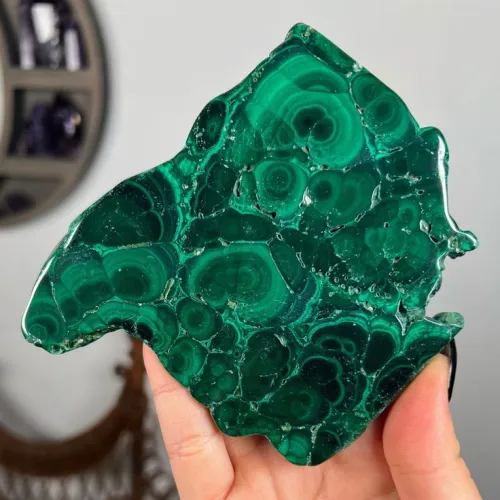
Picture browsing a boutique, fingertips brushing that hypnotic green stone. Later, online advice floods in: "Clean with vinegar!" "Sunlight energizes crystals!" Confusion blooms. Malachite’s beauty hides scientific truths beyond intuition. From material science to daily scenarios like spilling lemonade by the pool or storing heirloom bookends, misconceptions sprout easily. This guide cuts through myths with geology-backed clarity, linking jewelry counter moments to verifiable traits. You’ll learn not just what to avoid, but how the stone’s crystalline structure informs every cleaning, storage, or wearing choice.
Imagine unpacking a malachite vase while drinking orange juice. "It's stone, right? Wipe it off," says your friend. Splashes seem harmless until you notice dull etching days later. This stems from malachite's copper carbonate composition – technically a compound, not elemental rock. Vendors rarely emphasize that banded patterns are crystallized layers vulnerable to dissolution.
In reality, those stripes represent bonded molecular chains. Acids – even weak ones like citrus or vinegar – disrupt copper carbonate bonds, causing permanent etching that may appear as cloudy patches. While its 3.5-4 Mohs hardness suggests solidity, chemical reactivity defines care more than scratch resistance. Always check cleaning solutions for neutrality.
Your reality check: Before cleaning spills, ask: "Is this pH neutral?" Keep citric foods and cleaners 3 feet away from malachite surfaces. A jeweler’s loupe helps spot early etching – hazing at pattern edges warns of chemical exposure.
A friend once showed their great-grandmother’s malachite ring. "Scratches prove it’s real!" The grooves trapped skin oils, clouding its signature silky luster. Surface texture impacts not just aesthetics but value perception: fine abrasions may make banding patterns look blurry under light.
The clearer way to see it: That vitreous-to-silky sheen relies on untouched mineral deposition layers. Scratches expose rougher underlayers that refract light poorly. Daily handling with lotioned hands introduces residue into micro-grooves over time. While the stone doesn’t "degrade," accumulated wear may obscure its prized optical properties.
What this means for you: Before handling, wipe hands dry. Rotate rings occasionally if worn daily. In dim light, tilt pieces – obscured banding or uneven shine flags early surface issues. Store malachite alone; even harder stones like quartz can nick it.
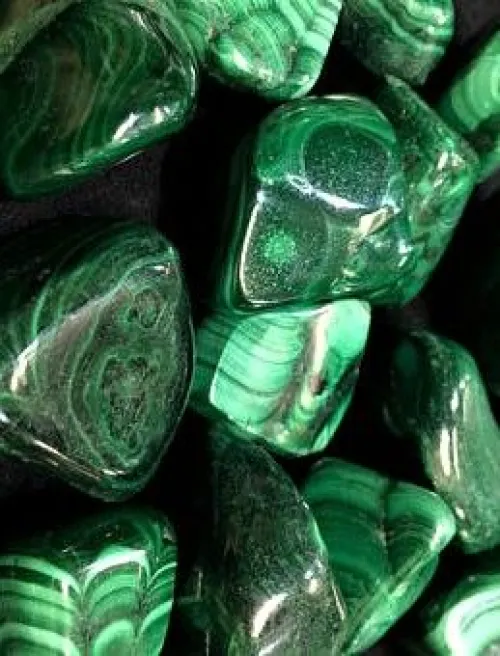
Picture post-party cleanup: Wine spills on your malachite pendant. Standard jewelry wipes contain ammonia – a malachite assassin. These moments reveal why malachite needs specialized care routines distinct from typical gemstones.
Technically speaking, ammonia and ultrasonic methods induce molecular instability leading to discoloration that tends to be irreversible. Soft microfiber cloths dampened with distilled water provide controlled friction without soaking into micro-pores. Blot – don’t rub – spills immediately.
How to read this correctly: Never assume "jewelry-safe" equals "malachite-safe." Create a malachite-only cleaning kit: neutral-pH soap in labeled bottles, distilled water, and lint-free cloths. At galleries, pause studying cards – "ultrasonic safe" often assumes harder stones.
That sunny window display showing malachite’s brilliance? Ironically harmful. A shop owner recalled finding faded bookends after three months near light – banding turned grayish where rays hit longest. Like fading fabric, UV exposure targets organic minerals.
In practice, copper compounds react photochemically; prolonged UV light may oxidize pigments over years, dulling vibrancy. Heat fluctuations compound risks – malachite expands/contracts differently than metal settings, potentially causing micro-cracks.
Your defense routine: Display cases shouldn’t face direct sun. Home storage? Choose drawers over windowsills. When traveling, wrap pendants in anti-tarnish cloths. Observe pieces seasonally: Any color shift typically starts along thinner edges.
Watching someone wear a malachite ring gardening reveals reality gaps. Malachite’s softness and reactivity demand context-based decisions beyond aesthetics. That ring’s dings from gate latches could mean costly resurfacing.
Consider: Rings and bracelets see higher impact exposure than pendants. Sweat pH and gardening chemicals accelerate deterioration. Banding clarity defines value – visible damages in focal areas may reduce appeal more than edge chips.
Choosing wisdom: Save rings for low-movement settings (desk work over hiking). When buying bracelets, consider cabochons with protective bezels. Post-activity inspection: Run your thumb over surfaces weekly to catch new chips early.
Remember finding necklaces tangled with harder stones? Malachite hates collisions. Those "junk drawer gems" scenarios underpin storage needs often ignored until scratches appear.
Reality check: Mohs hardness comparison explains why rubies or diamonds literally carve into malachite upon contact. Thermal stability also matters: Humid environments speed oxidation, turning copper-rich stones brownish over years.
Your protective practice: Individual fabric pouches prevent scratches – velvet beats metal-lined boxes. Silica gel packets combat humidity. Before storing, check clasps: Snagged chain links risk surface pressure.
A market vendor once urged rubbing petroleum jelly on malachite to "enhance shine." Bad advice. Oils temporarily mask micro-scratches but attract dust into pores, compounding cloudiness. Natural stones breathe – sealants trap moisture leading to potential subsurface issues.
Scientifically, banding comes from mineral deposition – no topical product alters it. Professional polishing using diamond-free compounds safely restores original light reflection without chemicals penetrating the structure.
See through the myth: If a piece seems "revitalized" after oiling, examine it: Does it look unnaturally dark? Feel sticky? Authentic luster comes from physical integrity, not coatings. Professional polishing every 4 years beats monthly home treatments.
These stories show how malachite’s care intersects daily actions you control. Its copper-carbonate reality means chemicals, abrasion, and light aren’t abstract threats but predictable interactions you can navigate. Value lies not just in the stone itself, but in preserving its geological story through informed handling.
Q: Can malachite handle occasional water exposure?
A: Brief water contact – like rain – doesn’t harm malachite if promptly dried. Prolonged submersion may seep impurities into structural pores over time.
Q: Does malachite’s banding pattern affect care?
A: Not directly, but dense banding can mask early etching before it hits lighter zones. Always examine striped areas under angled light.


$
