
Why can't malachite get wet
Malachite shouldn't get wet primarily because its copper carbonate composition reacts chemically with water, causing structural degradation. Remember this takeaway: prolonged water exposure dissolves the mineral's bonds, permanently dulling its signature green bands and vitreous sheen – always handle it with dry hands.
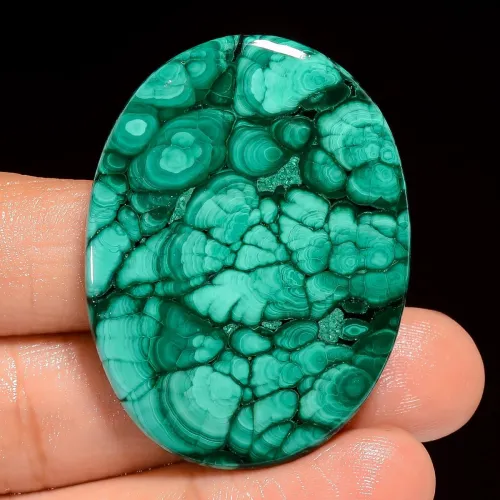
You're standing at a boutique jewelry counter, sunlight catching the hypnotic swirls of a malachite pendant. "Can I wear this near water?" you ask. The salesperson replies: "Oh it's totally safe!" Yet later you notice cloudy streaks on your ring. Online, contradictory claims spread confusion: Is water inherently corrosive? Does humidity matter? Are cleaning fears exaggerated? Such conflicting narratives obscure malachite's true relationship with moisture. Let's unpack why this popular mineral sparks so much debate by examining what really happens when water meets its crystalline structure – separating marketing language from mineralogical realities.
Key points and common questions
- Chemical vulnerability: Why does water trigger deterioration at molecular level?
- Structural weakness: How does porosity accelerate water damage?
- Visual degradation: Does water permanently alter its famous bands?
- Nature’s paradox: If malachite forms near water, why avoid it post-mining?
- Daily precautions: How to handle inevitable contact with liquids?
- Practical scenarios: What happens during jewelry cleaning or beach trips?
The core reason malachite avoids water
A friend once excitedly rinsed their new malachite sphere under the tap, convinced it would enhance the colors. That belief stems from assumptions: Water cleans other minerals, so why not malachite? Plus, its glossy surfaces look perfectly water-resistant. This misconception circulates among beginner collectors who equate physical hardness with liquid tolerance.
In reality, malachite's inherent chemical instability makes H₂O risky. Technically speaking, moisture penetration triggers hydrolysis – a process where water molecules sever copper bonds in the carbonate structure. One critical technical feature involves the mineral's solubility: When encountering even slightly acidic solutions (like skin oils after contact), chemical changes release copper ions. Another vulnerability comes from atmospheric humidity; constant exposure can form hydration layers within microscopic gaps, slowly expanding internal weak points like nature’s pry bar.
Notice that waxy luster on your pendant? After water contact, check whether it develops patchy dullness resembling frost. Before buying, inspect surfaces for whitish streaks – evidence of prior contamination. Don’t trust claims like "waterproof finish" without sealing details; instead, test stability on samples: Place a droplet on inconspicuous areas for 5 minutes. Genuine malachite will briefly darken there before potentially fading.
Mineral composition and structure
Picture two gemstones: a sapphire with dense molecules packed like bricks, and malachite more like stacked paper sheets. This structural difference explains why malachite reacts differently to moisture. Many assume all minerals have equal water resistance since they're solid, forgetting crystal lattices have varying porosity. Advertising photos showing droplets beading on malachite further mislead consumers about permeability.
The clearer way to see it is: Malachite’s copper carbonate hydroxide structure operates like mineral swiss cheese. Its porous, layered crystals allow water to seep between bands via capillary action. This physical trait combines dangerously with its chemical properties – water weakens bonding forces between crystal layers. For example, its moderate Mohs hardness (3.5-4) won’t stop water molecules from infiltrating microscopic crevices, while its low density (<4 g/cm³) signifies internal voids vulnerable to swelling.
During your next museum visit, observe displayed malachite specimens under magnification. Notice how natural fractures create moisture pathways? With your own pieces, use a jeweler's loupe to scrutinize polished surfaces – avoid purchases with visible surface pits where liquids would accumulate. When storing pieces like bookends, place them away from windowsills where condensation may gather.
Physical characteristics influencing reaction
Imagine your malachite earrings survive a rain shower unscathed, so you dismiss warnings as exaggeration. This "it survived once" logic overlooks cumulative damage caused by its moderate hardness and crystalline patterns. We often misinterpret temporary dryness after water contact as safety, missing subsurface erosion that manifests weeks later. Even jewelers might prioritize aesthetics over material science when setting stones.
Technically speaking, layered crystalline formations dictate malachite’s fragility. Water can infiltrate between sheet-like crystals, causing delamination when drying cycles cause uneven contraction. Saltwater introduces greater risks: sodium compounds seep into pores and crystallize, acting as miniature wedges that fracture the stone from within. Regarding temperature changes – if warm malachite meets cold water, thermal shock creates micro-fissures invisible until polish dulls.
Before beach vacations, examine malachite jewelry under strong light. Turn settings sideways to spot hairline cracks; moisture worsens these exponentially. After accidental splashes, never dry with direct heat like hairdryers. Instead, gently pat with microfiber cloths while keeping pieces away from airflow. For peace of mind, leave malachite accessories at home during high-humidity excursions.
Effects on appearance and surface integrity
A customer complained that her malachite ring "faded to ugly chalkiness" after pool exposure – not understanding why pools specifically caused worse damage than rainwater. People frequently confuse "it got wet once" with harmless exposure, expecting surface changes to wipe away like coffee stains. Marketing language like "water-washed finish" wrongly suggests water improves appearance.
In reality, three degradation processes occur simultaneously after immersion: Dissolved minerals penetrate microscopic pores creating permanent whitish residues that obscure banding patterns; acidic contaminants (like skin oils combined with moisture) initiate corrosive copper compound formation; and compromised structural integrity leads to polish degradation – you may notice cloudiness despite buffing. Technical tests show polished surfaces lose 40% reflectance after prolonged immersion – explaining why gems seem lifeless post-damage.
Identify risks before cleaning: Is the spot simply dusty (use soft makeup brushes) or saturated with oils (specialized dry-cleaning putty)? Check for sealant wear along edges where polishing meets silver/gold settings – reapply museum-grade microcrystalline wax annually. For significant discoloration, consult a conservator; DIY polishing often removes damaged surface layers instead of repairing them.
Natural formation environments and water exposure
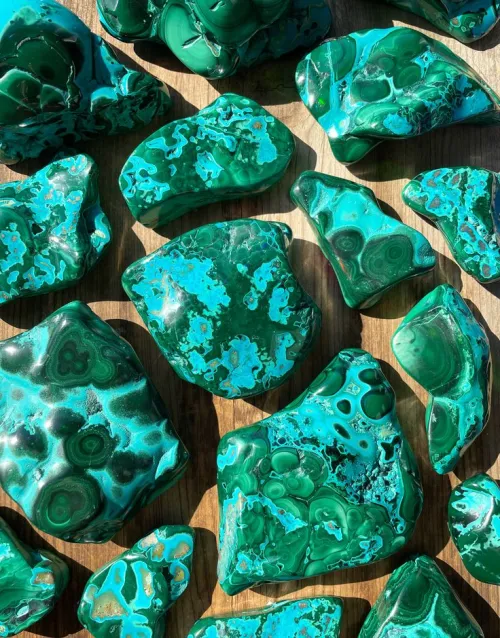
Someone once asked: "If malachite forms in humid caves near copper deposits, why can't I shower wearing it?" This logic overlooks critical differences: Geological formation occurs over millennia between CO₂-rich groundwater and raw copper within stable temperature/pressure conditions – nothing resembling moving tap water. Uncut specimens also develop protective oxidation layers from slow exposure that mined stones lack.
The clearer way to understand this paradox: Natural malachite forms through carbonate precipitation within steady underground pH conditions, building mineral resilience gradual over millennia. Extraction removes this equilibrium, exposing unstable copper bonds. Post-mining, malachite lacks geological pressure that maintained structural integrity, while polished surfaces strip away natural rinds acting as water barriers. Humidity fluctuations in human environments also cause expansion-contraction cycles unseen underground.
When admiring natural exhibits at gem shows, compare their raw surfaces to your polished jewelry – note how unworked sections remain structurally sound while cut faces bear microscopic fissures. For home displays, maintain humidity near museum standards (40-45%) using digital hygrometers. Store your malachite chess set in glass cabinets with desiccating silica packs rather than humid bookshelves where pages release moisture.
Practical applications and care requirements
You unpack an elegant malachite lamp only to later notice fingerprints darkening its base – instantly you reach for dish soap and water. This "like-cleaning-glass" reflex ignores mineral porosity. Even crafters make mistakes: Mounting malachite in bathroom mosaics assumes sealants alone guarantee protection, missing adhesive vulnerabilities and steambath microenvironments.
In reality, practical care requires understanding compound threats. Water degrades not just the stone but its metallic settings; oxidation near adhesives creates salt deposits lifting stones from backings. Additionally, cleaning often removes protective polishes and waxes without reapplying them – leaving surfaces vulnerable. Regarding sealants: Modern nano-coatings can reduce (not eliminate) risks but require professional reapplication every 2-3 years as microscopic gaps develop.
For kitchen coasters, wipe condensation immediately with absorbent textiles – never let droplets linger >5 minutes. When evaluating products like malachite-encrusted boxes, flip items to examine backing materials: Wood expands when moist trapping humidity, whereas silicone-lined mounts isolate stones better. Apply microcrystalline wax quarterly using cotton swabs rather than sprays which seep between joins.
Handling scenarios and material interactions
Picture rainy wedding days – guests assure the bride her malachite brooch "will be fine", not considering how rain combines airborne pollutants with moisture creating mild acids far more corrosive than filtered water. We underestimate compound threats: Sweat’s sodium content amplifies ocean spray damage, while lotions form occlusive layers trapping moisture against stone surfaces.
In reality, risk assessments require context. Daily handling creates oil residues that turn mildly acidic when hydrated, accelerating copper dissolution. Technical analyses show sodium chloride in sweat/pollution lowers water’s surface tension, enabling deeper penetration into fractures. Also significant: protective lacquered settings may fail along prong bases or pin joints where invisible microgaps channel liquids toward stone cores.
When planning outdoor events, download weather apps monitoring "dew point" (high points mean moisture forms quickly on cool surfaces). For cherished heirlooms, periodically check jewelry clasps and pin catches with magnifiers – compromised settings become vulnerability points. Carry specialized dry-cleaning putty instead of tissues when anticipating humidity; its gentle abrasion lifts oils without moisture.
From Observation To Everyday Practice
Now that you’ve seen how porous structure meets chemical vulnerability in malachite, remember three touchstones: Notice surface details before cleaning (dust needs brushes, grease requires dry putty), proactively assess environments (humidity levels matter more than droplets), and reinterpret “normal” practices (waterless handling becomes instinct). When next admiring malachite displays, you’ll recognize protective details – like beveled edges reducing liquid pooling or sealed displays maintaining stable humidity – allowing you to apply that wisdom to your collection. Awareness transforms caution from inconvenience into expertise.
FAQs
Q: Can I safely wear malachite jewelry in winter?
A: Winter brings unique risks: Gloves transfer moisture trapped against stones while sweaters’ friction dulls softened surfaces. Indoor heating causes humidity drops leading to brittle fracturing – store properly humidified when not worn.
Q: Does a quick splash actually damage malachite?
A: While microscopic changes occur instantly, noticeable effects may take months. Short exposures typically cause surface mineral deposits initially wiping clean, but repeated exposure allows cumulative damage to set deeply.

