Cleansing malachite properly relies on gentle techniques to protect its unique structure—remember, its softness means avoiding harsh cleaners to prevent damage, and this core principle can keep your stones looking vibrant.
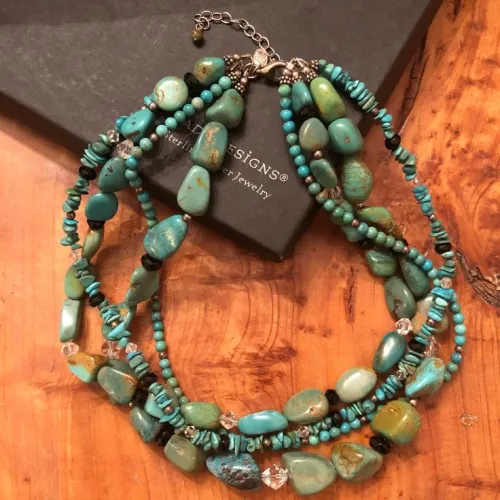
Picture this scene: you're browsing a local gem shop, admiring a stunning green bracelet with swirling patterns. When you ask about care, the shopkeeper mentions "cleansing" and rattles off confusing tips—"some say sunlight recharges it," "others wipe it with vinegar," "a video suggested storing it with harder stones." You walk away unsure, wondering why a simple cleaning feels so murky. Whether you own jewelry, display pieces, or inherited a carved ornament, malachite's care sparks myths and oversimplified advice online. This article unpacks the common noise around cleansing, separating popular claims from verifiable mineral traits. We'll explore key points, grounding them in observable facts, so you can build your judgment toolkit and care for malachite confidently without the hype.
Imagine your friend excitedly unwraps a malachite ring she bought online. She tells you, "I cleanse all my crystals in sunlight weekly—it energizes them and keeps off bad vibes." This approach often surfaces in social media or casual chats, framed as "energy renewal." It resonates because malachite looks earthy and inviting, making mystical-sounding care methods seem intuitive. Plus, quick-fix ads promise "deep cleansing" with bold visuals, skipping science. But peel that back, and it's a practical mineral question. In reality, cleansing malachite focuses on physical protection, not abstract renewal. Technically speaking, factors like the stone's banded patterns and low resistance to shock mean rigorous methods can harm it. Gentle hand-cleaning using mild soap and lukewarm water is generally recommended to preserve integrity, as ultrasonic cleaners might cause internal fractures or harsh chemicals etch the surface. Next time you see a "one-size-fits-all" cleansing tip, recall three specifics: check the hardness range (3.5 to 4 Mohs), note its porosity, and ask, "Does this avoid acids and vibrations?" If unsure, a simple soap test on a small spot shows it's safer than solar baths that can fade colors.
Picture this: you're at a craft fair where a vendor sells carved malachite. They boast, "Clean it with lemon juice—it'll shine brighter while purifying!" Such claims thrive because malachite's rich green hue creates illusions of resilience, similar to tougher stones. Shoppers overlook chemistry, assuming "natural" means safe. But examine what's beneath. In reality, malachite's copper carbonate composition leads to potential reactivity with acids like citrus. This vulnerability stems from its monoclinic crystal structure; acids can dissolve surfaces, dulling bands. The clearer way to see it: pH-neutral options avoid damage as this mineral tends to resist aggressive chemical cleaners poorly. Always handle with soft cloths to minimize surface abrasions that expose internal weaknesses. When judging care advice, verify it aligns with copper content—avoid products labeled "acidic" or "abrasive." A quick fingertip test on texture can reveal brittleness: if it feels chalky or porous, that confirms the risk.
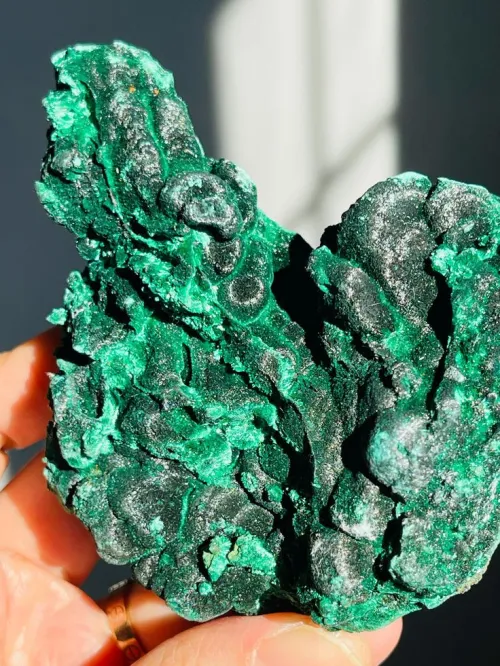
A friend of yours once complained, "My malachite pendant got a few nicks—probably just normal use over time." People often dismiss minor flaws because the stone's silky luster masks underlying softness. Ads highlight its vivid bands without warning, setting false expectations for durability. Yet this overlooks tangible traits. In reality, the stone's susceptibility comes from its texture and hardness rating. With a Mohs rating around 3.5–4, malachite can scratch easily from contact. Surface texture typically appears semi-smooth but may develop micro-pits or dullness after prolonged use, especially without proper drying. What this means for you: after cleansing, drying immediately reduces water spots, and storing separately prevents collisions. How to read visual cues correctly? Focus on the luster—changes from vitreous to matte can signal abrasion. Inspect pieces under light before buying; uneven bands might indicate prior damage influencing cleansing needs.
In everyday settings like handling accessories or dusting displays, prioritize texture and band clarity as your guides—they reveal when to cleanse earlier.
Picture this scenario: you discuss two malachite bookends—a dense, heavy one and a lighter, more porous find. A salesperson insists, "This darker piece holds up better anywhere!" Origins influence care myths; shoppers think geography dictates resilience, ignoring mineralogy. But susceptibility varies due to formation. Origin factors play a role: for example, stones with higher porosity levels are prone to absorbing oils and moisture, requiring cautious cleansing. Temperature extremes may cause thermal shock, raising cracking risks regardless of source. To apply this, note weight and density when handling—lighter stones might feel delicate, signaling care. When browsing, skip grand "origin guarantees" and ask about storage history; exposure to dust or humidity might mean extra cleansing attention.
Imagine yourself unpacking a new malachite ring, planning daily wear. You recall an article saying, "Cleanse gems monthly for best results," so you set reminders. Such blanket advice sticks because busy wearers seek simplicity. However, usage dictates care. For frequent jewelry use, cleansing frequency adjusts based on environmental factors. Technically, pollutants from city air or body oils require more checks, and regular maintenance every few months may be needed depending on wear. Avoid direct sunlight to prevent fading green tones. How to choose routines? Link it to your lifestyle—track how often you wear items. Carvings in decor might only need light dusting, unlike pieces near cosmetics. A good trick: when putting jewelry on, inspect for buildup; if smudges appear quickly, schedule cleansing sooner.
After a dinner party, a guest admires your malachite earrings and asks, "Professional cleanings cost too much—can't I skip them?" Doubts arise because basic upkeep feels accessible, while expert help seems like overkill. Yet minor damages accumulate. Professional consultation tends to be wise for deep restoration due to unique properties like internal fractures from improper handling. If deep issues occur, seek advice instead of home fixes; ultrasonic methods are often off-limits. Weigh this: for valuable pieces, simple home steps may suffice with diligence. Always match actions to the risk—if the stone feels brittle, consider specialists.
So, what comes next? If malachite were part of your weekly wear or decor setup, remember three anchors: its copper reactivity demands neutral cleansers, soft texture calls for gentle handling, and band patterns reveal vulnerabilities after cleaning. When you encounter quick tips online or in stores, pause. Recall how porosity and light sensitivity surfaced in our stories. Instead of a single claim, cross-check it—does it acknowledge fading risks, drying steps, or hardness limits? This approach helps you stay informed and practical, turning uncertainty into clear, tailored care. Now, step into your next gem moment with eyes on the details.
Q: Does malachite's color change with cleansing reveal anything?
A: Yes, fading may occur with improper cleansers or light exposure due to its ultraviolet sensitivity, so monitor band vibrancy as a sign.
Q: Can malachite be cleaned with salt, like sea salt baths?
A: Generally not—salt's abrasiveness and moisture absorption tendencies might scratch or pit the softer stone more quickly.
Q: How often should deeply carved malachite art pieces be cleansed?
A: Cleansing frequency may reduce in low-dust settings to avoid edge damage, but inspect every 2–3 months for buildup.


$
