The core answer is nuanced: malachite jewelry can be worn safely *with awareness and care*, but it's not inherently risk-free for everyone. Primarily, remember this: Due to its copper content and physical sensitivity, prolonged direct skin contact or exposure to moisture and chemicals may lead to skin reactions for sensitive individuals or cause the stone itself to degrade over time.
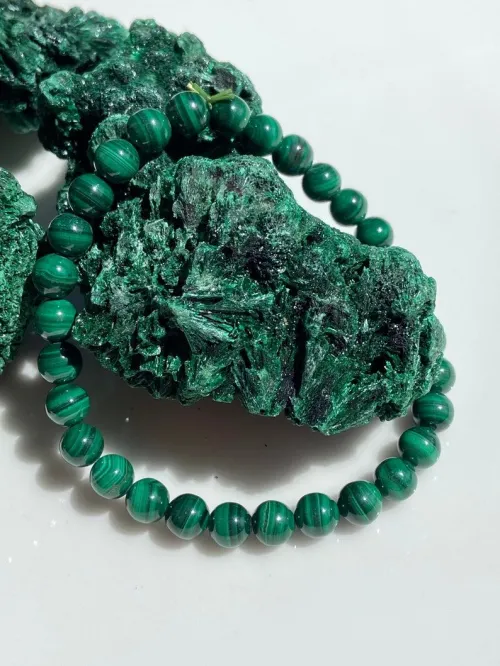
Imagine you’re browsing a charming artisan market. You spot a stunning ring – deep, swirling greens unlike anything else. The seller calls it "nature’s art" and assures you it's perfectly wearable. Later, you excitedly open your online search: "Is malachite jewelry safe?" Suddenly, you’re swamped with conflicting snippets. One site warns darkly about "toxic stones," while others dismiss concerns as myths, calling it ancient healing magic. Your excitement turns to confusion. How a material so stunning comes with such murky messaging? This isn't about mythical powers; it's about understanding a mineral’s real properties and managing expectations. Let’s untangle the common claims and facts about malachite safety, grounding it in practical, everyday wearing scenarios – so your next exciting find comes with clear eyes.
Picture this: A friend excitedly shows you their new malachite pendant online, only to get a flooded comments section shouting "poisonous!" and "take it off!" This intense, often oversimplified warning – "malachite is toxic to wear" – is everywhere. It likely stems from knowing malachite contains copper compounds (copper carbonate hydroxide to be precise), combined with a vague, scary-sounding word like "toxicity." People extrapolate potential risks from industrial raw material handling to brief, casual skin contact with polished jewelry.
The clearer way to see it is: While the mineral contains significant copper compounds, the primary risk in a jewelry context isn't acute poisoning from simply touching it. The more relevant considerations involve potential skin sensitivity over time. Technically, malachite is copper carbonate hydroxide. For most people wearing typical jewelry pieces, skin absorption of significant amounts of copper through casual contact is highly unlikely. However, physical exposure can result in skin irritation or allergic reactions for sensitive individuals when there's prolonged, direct skin contact. This is similar to how some react to nickel in costume jewelry. Polished surfaces and protective settings drastically reduce any direct interaction.
How to check / What this means for you: Don't panic if you love that necklace. Focus instead on: Check the setting: Does the design minimize the stone's direct contact with your skin? A raised bezel or backing helps. Know your skin: If you have known sensitivity to copper or specific metals, proceed cautiously. Test carefully: Before wearing any new malachite piece all day, testing for comfort on a small skin area (like the inside of your wrist) for a few hours can identify potential issues.
Remember your friend unboxing that pendant? That distinctive, almost electric green swirling pattern isn't just color; it's intrinsically linked to the stone's makeup. Most wearers don't think much about chemistry when buying jewelry. They see green = gemstone, assuming it behaves like durable quartz or inert glass. This intuition downplays how composition dictates behavior.
In reality, Malachite is fundamentally copper carbonate hydroxide. This specific chemical identity is the root of both its mesmerizing color and many wear considerations. Copper carbonate hydroxide as a primary component can undergo reactions with certain chemicals or sweat over prolonged, direct exposure. Imagine wearing a malachite ring all day while gardening or washing hands frequently; sweat and potential contact with soap residues may initiate subtle chemical changes. Furthermore, exposure to acidic substances may cause potential degradation or discoloration – think citrus juice, vinegar, or even acidic perspiration interacting directly over time.
Look for protective seals: Many reputable makers apply a sealed coating (like resin or specialized lacquer) precisely to act as a barrier preventing direct chemical interaction between the stone and your skin/environment. It's a sign of thoughtful craftsmanship. Avoid high-exposure situations: Be mindful of activities where the stone might repeatedly contact water, chemicals, or sweat (like washing dishes, applying lotions, or intense workouts). Taking the piece off beforehand helps preserve the material’s stability.
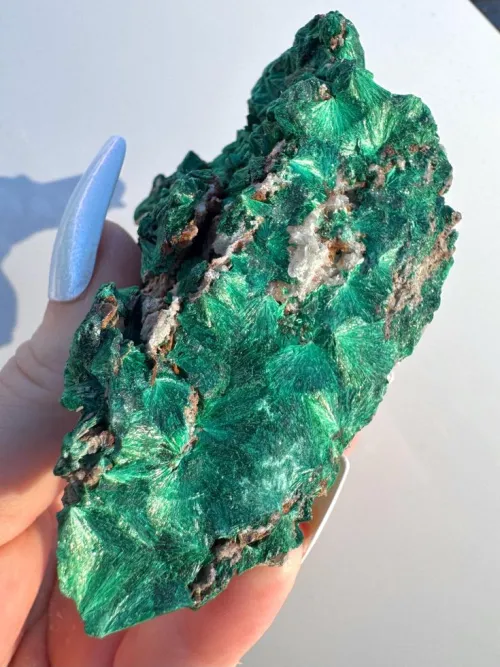
A friend once lamented their beloved malachite bracelet chipping after catching it lightly on a doorframe during an office day. Their surprise came from expecting it to handle bumps like their tougher gemstone pieces. It's easy to see malachite's lush, bold patterns and assume a sturdiness that just isn't there. The visual weight of the stone often contradicts its physical limitations.
Technically speaking, Malachite possesses inherent physical weaknesses tied to its mineral structure. Its hardness level of approximately 3.5 to 4 on the Mohs scale places it significantly below common jewelry staples like quartz (7) or sapphire (9). This softness means it is prone to scratches, even gentle contact against harder surfaces. More critically, its inherent brittleness can lead to chipping or cracking if subjected to impact or pressure – that knock against a desk, a jolt in a bag, or even significant pressure when putting on gloves. Furthermore, contrary to its solid appearance, malachite often features porous structures, meaning it might absorb external substances like lotions or moisture, potentially dulling its polish or causing internal discoloration over time.
What this means for how you wear it: Prioritize protective designs: Choose pieces where the stone is well-supported by metal settings, minimizing exposed edges vulnerable to impact. Look for bezel or semi-bezel settings. Make mindful removal a habit: Think ahead. Take malachite jewelry off *before* tasks involving bumping, dragging, washing, or applying skincare. Storage is key: Always keep it separate. Storage in soft-lined cases protects against scratches from harder jewelry items when not worn.
Picture browsing a high-end boutique where a sales associate explains the malachite came from "ancient deposits." It hints at the slow magic behind the stone. Unlike mass-manufactured beads, malachite forms through a fascinating geological process that directly influences its behavior as jewelry. The origin story isn't just trivia – it helps explain why this mineral behaves how it does.
The reality: Malachite is a secondary mineral, typically forming near copper deposits. Water slowly interacts with primary copper minerals over vast timescales, depositing layers of this beautiful green material. This banded formation process relates directly to traits relevant to wearers: 1. Band-like green patterns create its incredible visual appeal but represent layers that require careful handling to maintain integrity. 2. The formation environment influences its porosity and potential fissures, affecting how easily it can chip or absorb substances. 3. Its association with copper sources explains its fundamental composition.
Understanding its natural origins reinforces why it must be treated gently. Just like delicate natural objects formed over immense time require respect, malachite jewelry benefits from handling more akin to caring for a fine cameo than a tough quartz crystal. Prioritizing protection – avoiding knocks, chemicals, and moisture – directly honors its natural, intricately formed structure.
You finally order that malachite pendant you've admired online. It arrives, stunningly vibrant. Can you wear it every day like your trusty pearl studs? Or does it belong strictly in a "special occasion" box? This core debate circles around balancing its unique aesthetic value and unique patterns against its known vulnerabilities.
In practice: While malachite offers unmatched visual depth, daily wear tends to result in gradual surface wear that may affect shine and texture due to its softness. Scratches from incidental contact, potential moisture absorption from frequent wear near skin oils (even sealed pieces can develop micro-wear over years), and the constant risk of impact damage mean malachite often thrives more as occasional or carefully managed daily wear. The trade-off is real: enjoying its unique beauty comes with an implicit understanding of its fragility compared to sapphires or diamonds. Alternative gemstones or stabilized versions offer comparable aesthetics with enhanced durability if resilience is the top priority.
How to choose thoughtfully: Match the piece to activity level: Malachite stud earrings or a protected pendant might handle "daily" wear much better than a heavily exposed ring or bracelet subjected to constant bumps. Prioritize protection: Designs with protective settings reduce skin exposure and increase longevity. High settings (prone to snagging) or thin, unsupported sections increase breakage risk. Embrace manageable beauty: If the stone's distinctiveness captivates you, accepting the need for slightly more mindful handling compared to ultra-hard gems allows you to enjoy it without disappointment.
A friend panicked when a splash of perfume hit her malachite brooch. Another sighed over their ring losing its initial luster after a few years of regular wear. The upkeep for malachite isn't complex, but it requires different habits than tossing your silver chain into an ultrasonic cleaner. It's less "high-maintenance," more "know-what-it-needs-maintenance."
The essential guide: Avoiding contact with water and humidity seriously helps preserve stability. Skip showers, baths, dishwashing, and swimming while wearing it. Humidity can be absorbed over time. Cleaning processes typically involve only gentle wiping with a dry cloth to prevent damage. Never use steamer cleaners, ultrasonic machines, or chemical dips. If a slightly damp cloth is *absolutely* necessary (use extremely sparingly and pat dry instantly), avoid any pressure or rubbing – residue from water can damage the surface over repeated exposure. As mentioned earlier: dedicated, separate, storage in soft-lined cases is non-negotiable to protect against scratches and knocks when not being worn.
Treat your malachite piece like a cherished painting: admire it often, handle it gently and deliberately, keep it away from harsh environments and potential contact with hard objects, and clean it minimally using only the safest methods. This focused care helps maintain its integrity and beauty for years.
Even after covering the key points, small, sharp questions might still nag, perhaps surfaced during a coffee chat while admiring jewelry together. Let's address two common follow-ups directly.
Q: "What about short-term exposure, like washing hands with a malachite ring on?"
A: While a single brief splash is less catastrophic than prolonged submersion, it's definitely inadvisable and increases risk over time. Repetitive exposure to water, even briefly, will accelerate deterioration. Water interacts readily with the copper carbonate hydroxide. Remember: Avoiding contact with water... helps preserve the material’s stability. Take it off beforehand. Make it a rule.
Q: "I've heard conflicting things about coated vs. uncoated malachite. What gives?"
A: This relates back to safety and durability. An uncoated malachite piece has the mineral in direct contact with skin and environment. A sealed coating acts as a durable physical barrier. This coating significantly reduces direct chemical reactions with skin/sweat (may mitigate some risks) and offers crucial protection against moisture absorption and minor surface scratches. Reputable vendors often seal malachite intended for jewelry use; unsealed pieces demand *even greater* vigilance regarding all precautions. Opting for a high-quality sealant coating offers clear practical advantages for consistent wear.
So, next time you fall in love with those mesmerizing green swirls – whether online, in a small artisan shop, or inherited from family – pause for just a mindful moment. Think of Sarah, surprised by her chipped bracelet, or the careful jeweller applying that sealing layer. Remember the two key material realities driving how it wears: its sensitive nature due to copper carbonate hydroxide composition and its physical softness at approximately 3.5 to 4 on the Mohs scale. Instead of vague anxiety about "safety," actively look: * At the setting – how protected is the stone from knocks and skin? * For signs of a quality sealant coating (gently inquire if unsure). * Closely at its condition – any existing scratches or cloudiness hinting at prior exposure.
Imagine browsing: If this were your scene, what would you pay attention to next? Ask about protective details and appropriate care. Factor in your own lifestyle – does this piece fit how you actually live? That mindful pause transforms uncertainty into clarity. Understanding malachite’s unique story lets you appreciate its magic while confidently safeguarding its beauty through practical choices.
Q: How long does malachite jewelry typically last with careful wear?
A: There's no fixed expiration date. With extremely conscientious handling – avoiding all impacts, moisture, chemicals, and abrasion – a well-made, sealed malachite piece like a pendant can be enjoyed for many years. Rings or bracelets exposed to more friction may show wear like dulling or micro-scratches sooner (months to a few years), even with good care, demanding more frequent checks.
Q: Are certain skin types more likely to react?
A: Individuals with known metal sensitivities, especially to copper, are more likely to experience a reaction to prolonged, direct skin contact with unseated or poorly sealed malachite. If you react to certain inexpensive alloys used in fashion jewelry, proceed with caution. Sealed coatings significantly reduce this risk.
Q: Is it suitable for children's jewelry?
A: Generally inadvisable. Due to its brittleness and risk of chipping/breaking during active play, plus the potential for skin sensitivity, malachite is not a practical choice for jewelry worn by young children who are less able to follow careful handling rules.
Q: Does "stabilized" malachite make a difference?
A: Yes. Stabilized malachite often involves resin impregnation that fills porous structures, making it far more resistant to moisture damage and mildly improving impact resistance. It remains relatively soft, however. Stabilized versions offer significantly enhanced practical durability for jewelry use.


$
